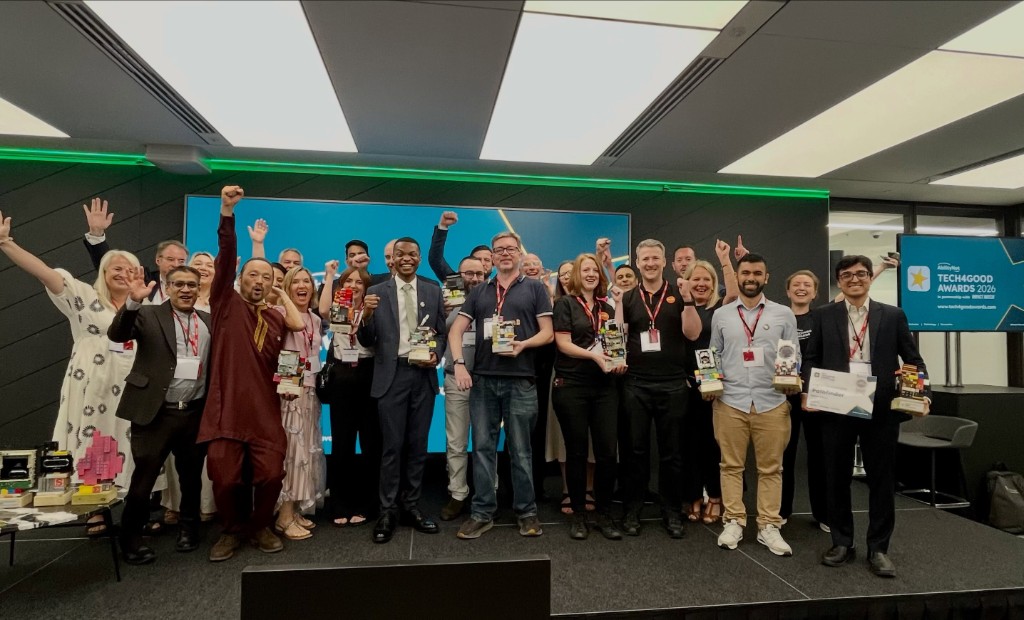
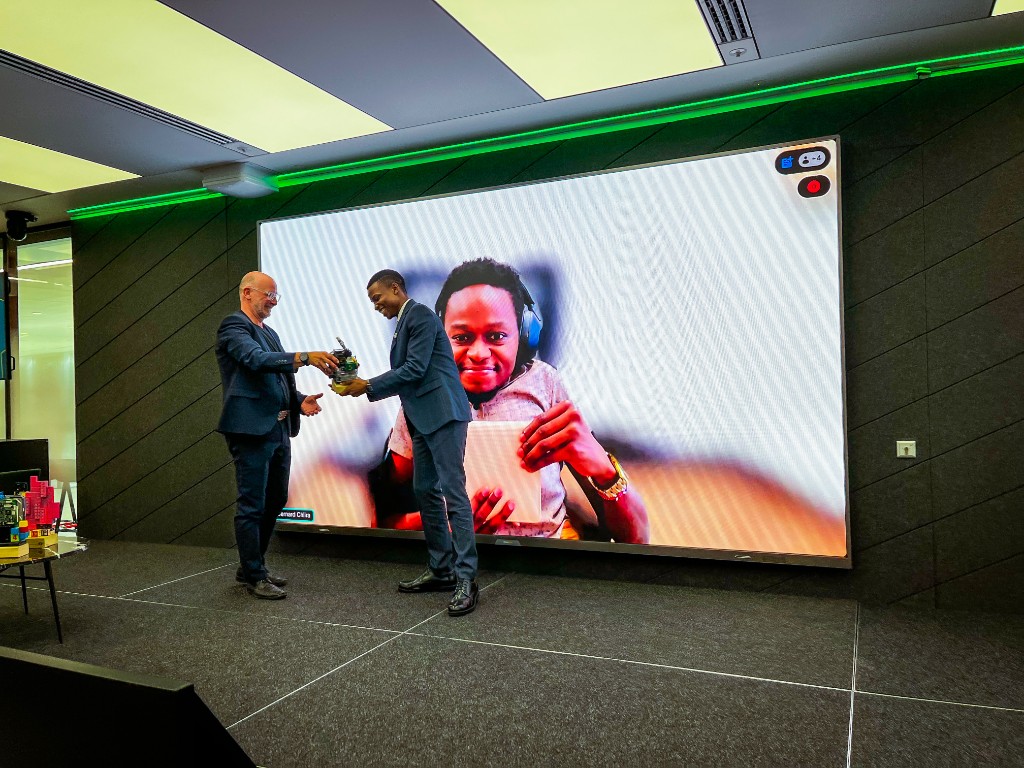
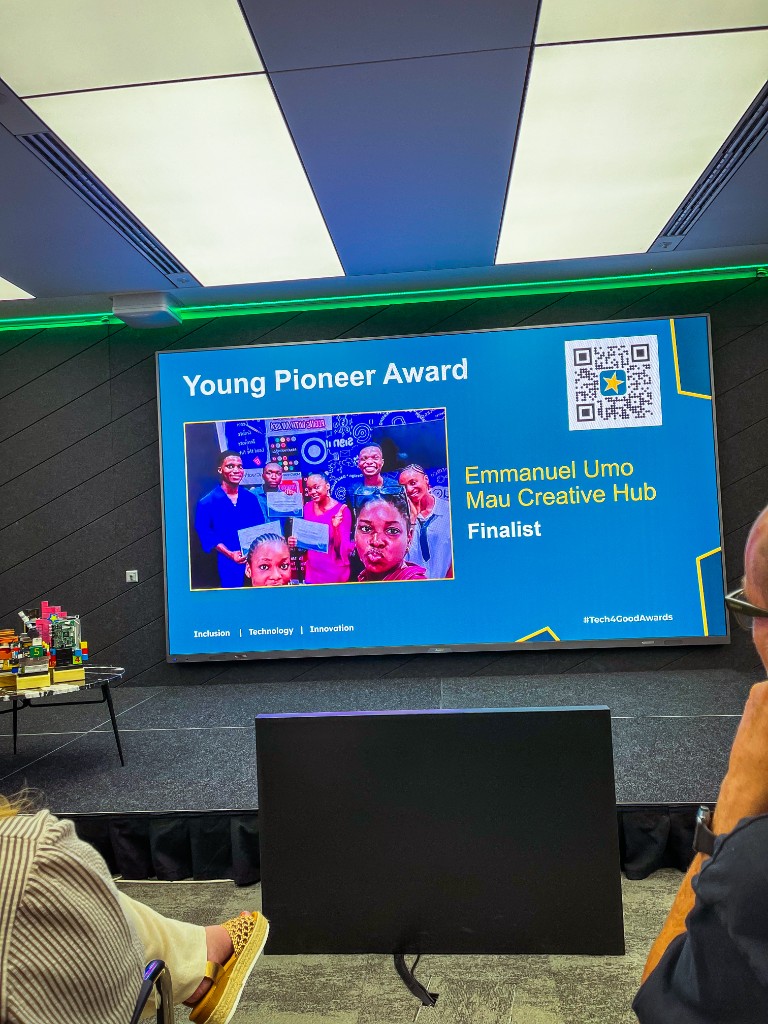
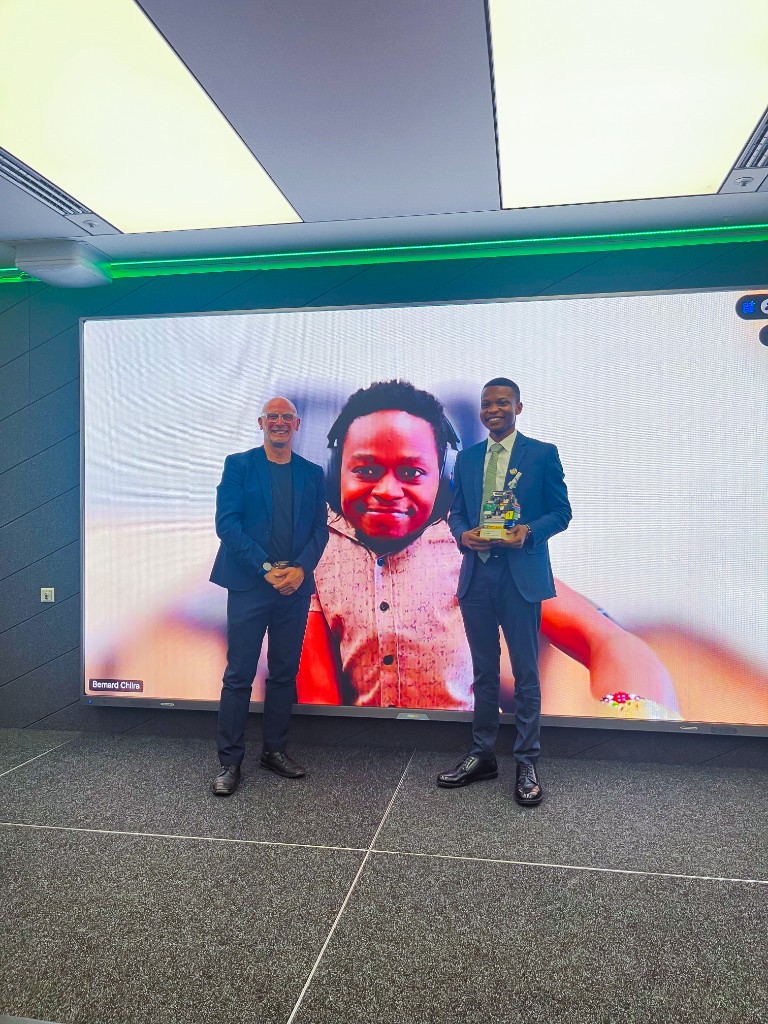
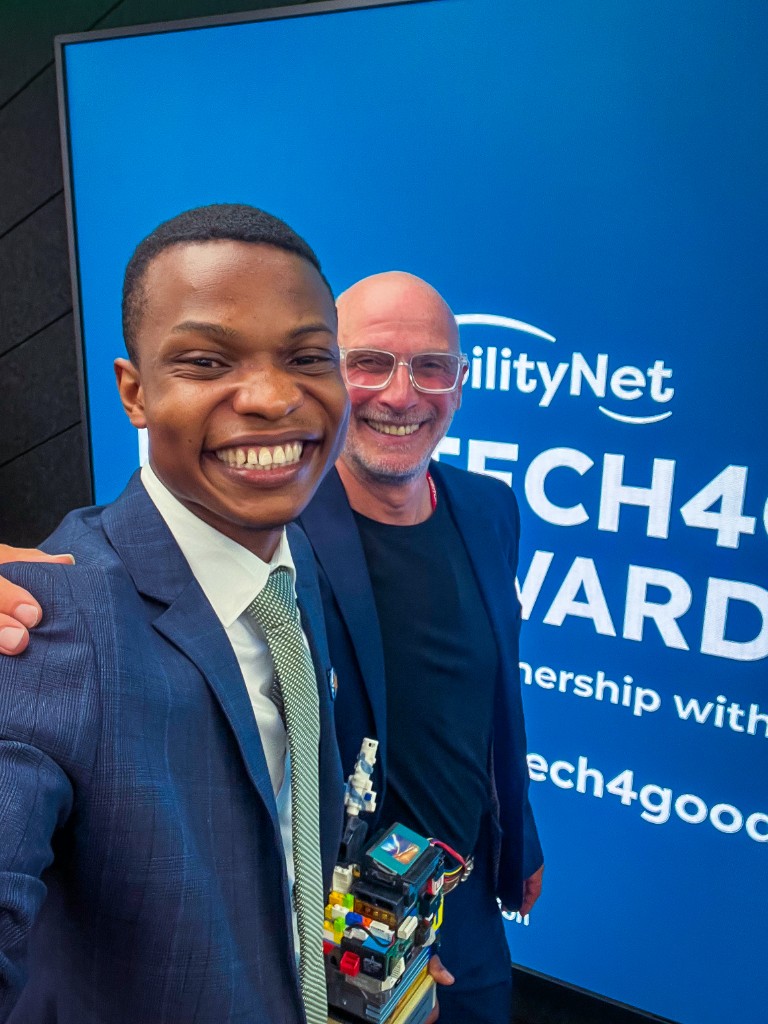
We Won. Mau Creative Hub Takes Home the Young Pioneer Award at AbilityNet Tech4Good Awards 2026
3 July 2026 · AbilityNet Tech4Good Awards
We do not just teach in classrooms people can pay to enter. We carry laptops, a screen, and a generator to the places the digital economy forgot. These are the stories.
3 July 2026 · AbilityNet Tech4Good Awards
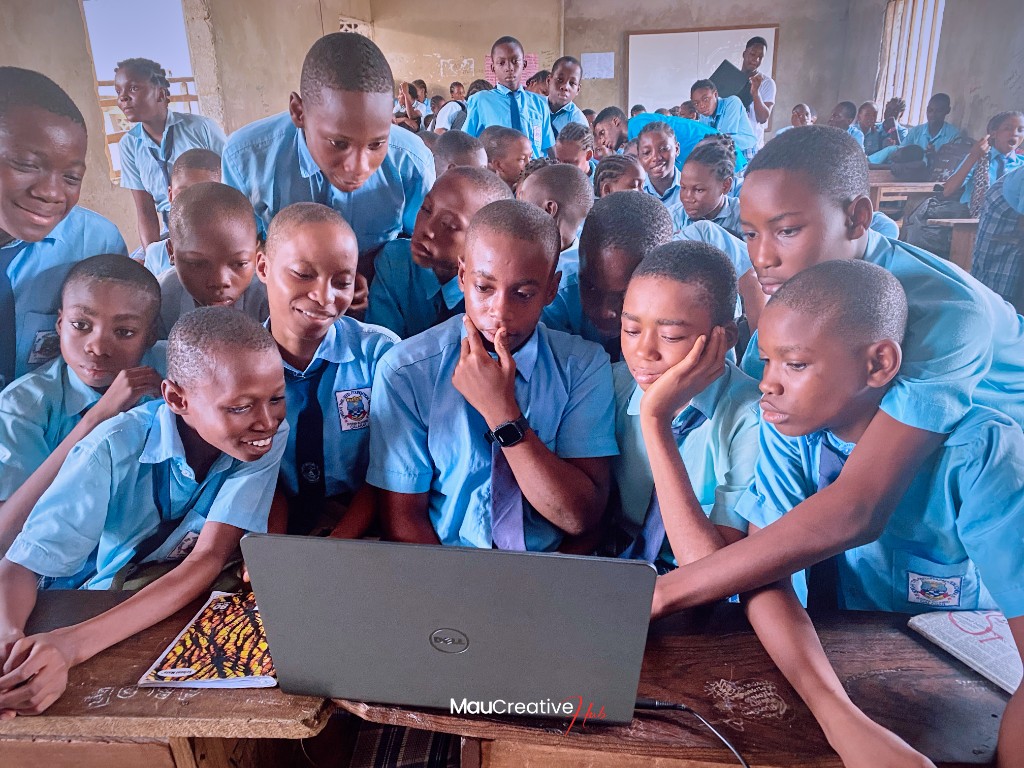
It was a Friday morning in Akpabuyo, Cross River State, Nigeria. In communities like this one, Fridays are market days. Children help their families trade before the week closes. So when we pulled into the compound of Government Migrant Technical College that morning with four laptops, one screen, and a small generator, we genuinely did not know if anyone would show up.
They came in their hundreds. Students pressed into a room that was never designed for this many people. Some stood at the back. Some looked through windows. Nobody left.
Within an hour, young people who had never touched a computer were navigating interfaces. Within three hours, they were inside Figma, the professional design tool used at Google and Apple, building their first digital product screens from scratch.
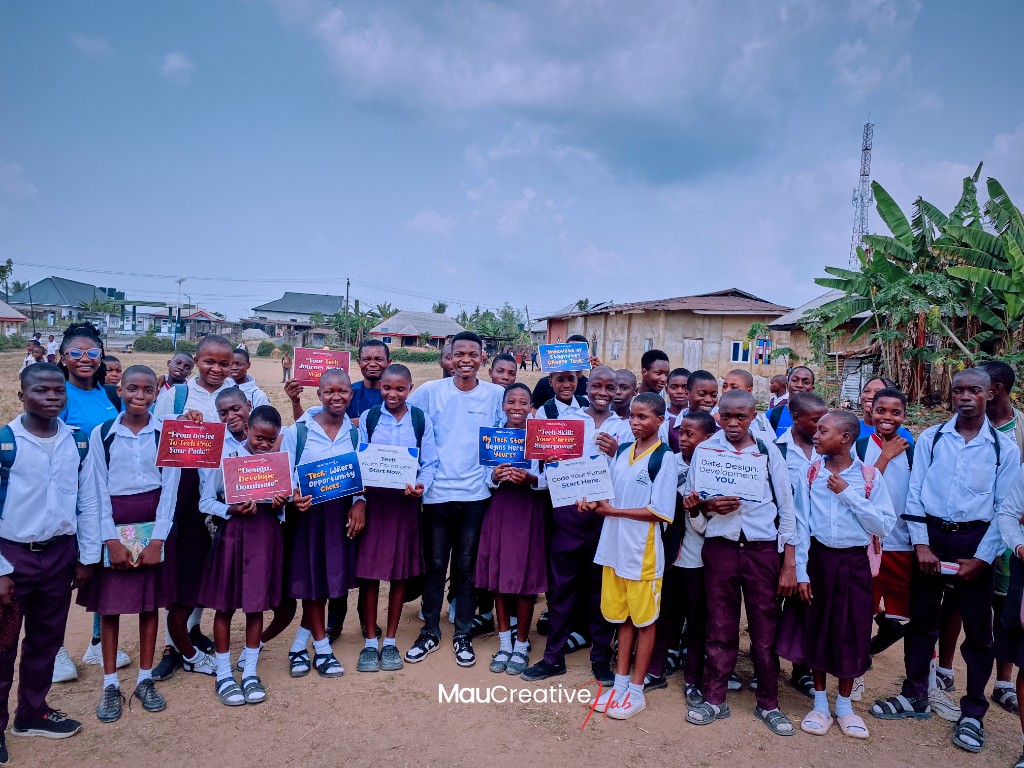
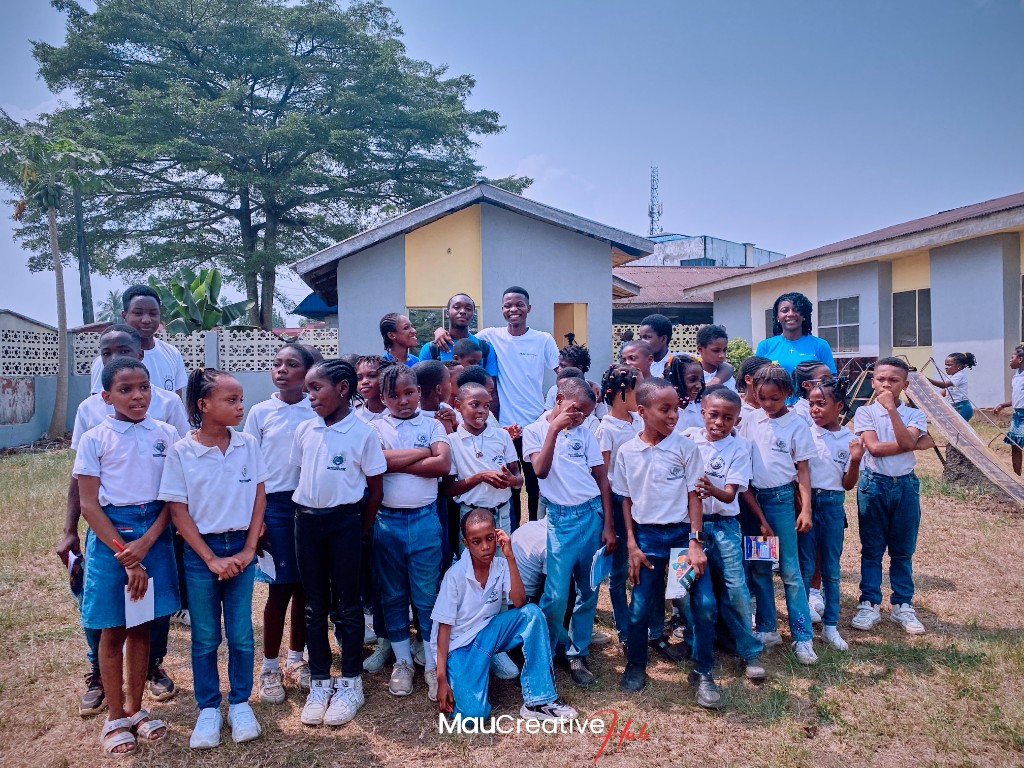
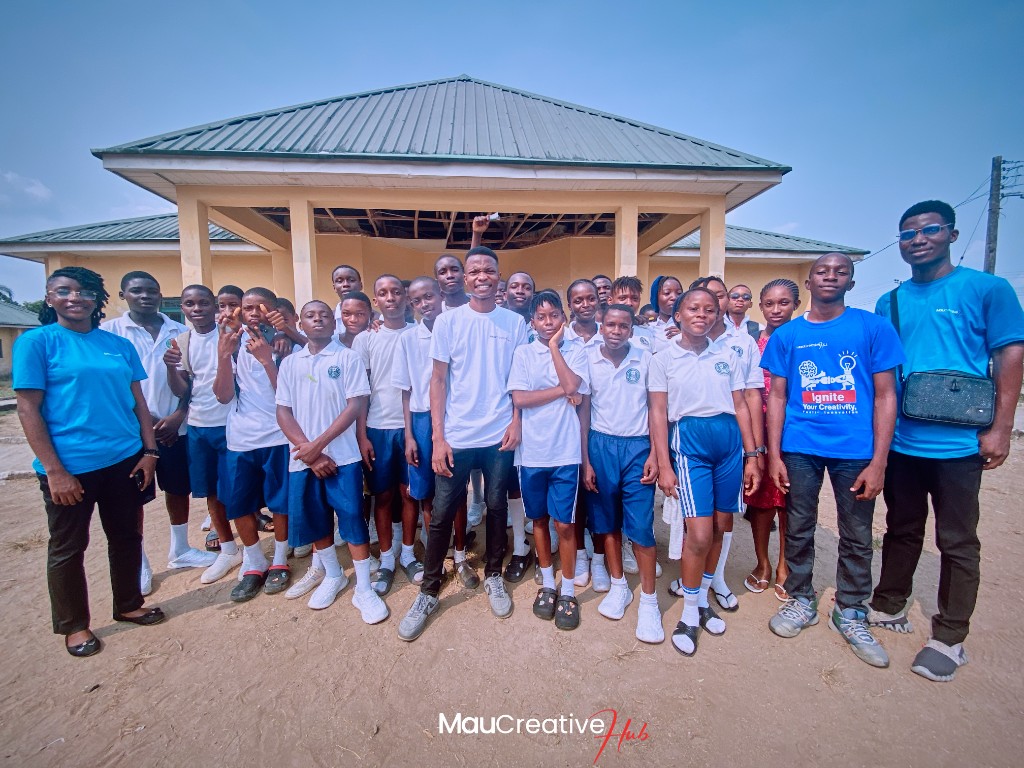
That afternoon in Akpabuyo, and across the four schools we visited, we were doing something about that. This is what SDG 4 looks like in practice: quality education, delivered where it is needed most, with tools that actually prepare young people for the world they are about to enter.
This is Mau Creative Hub. And we are just getting started.
Even in the 21st century, girls rarely get the chance to explore design tools. Most do not have their own devices. Many are told tech is "for boys," and schools barely teach more than how to type a document. Finding female designers is a struggle, even as demand for product talent keeps rising across Nigeria.
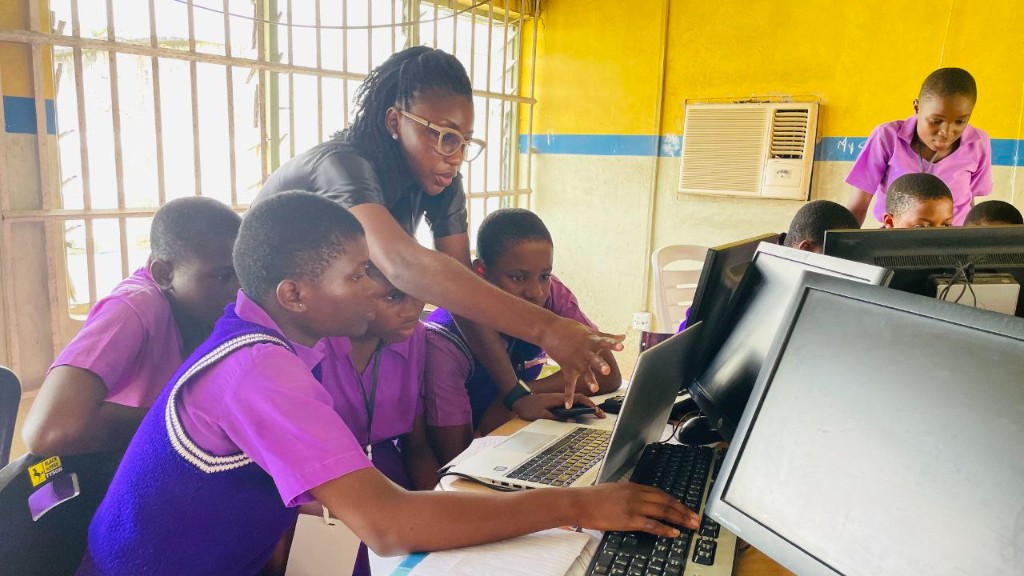
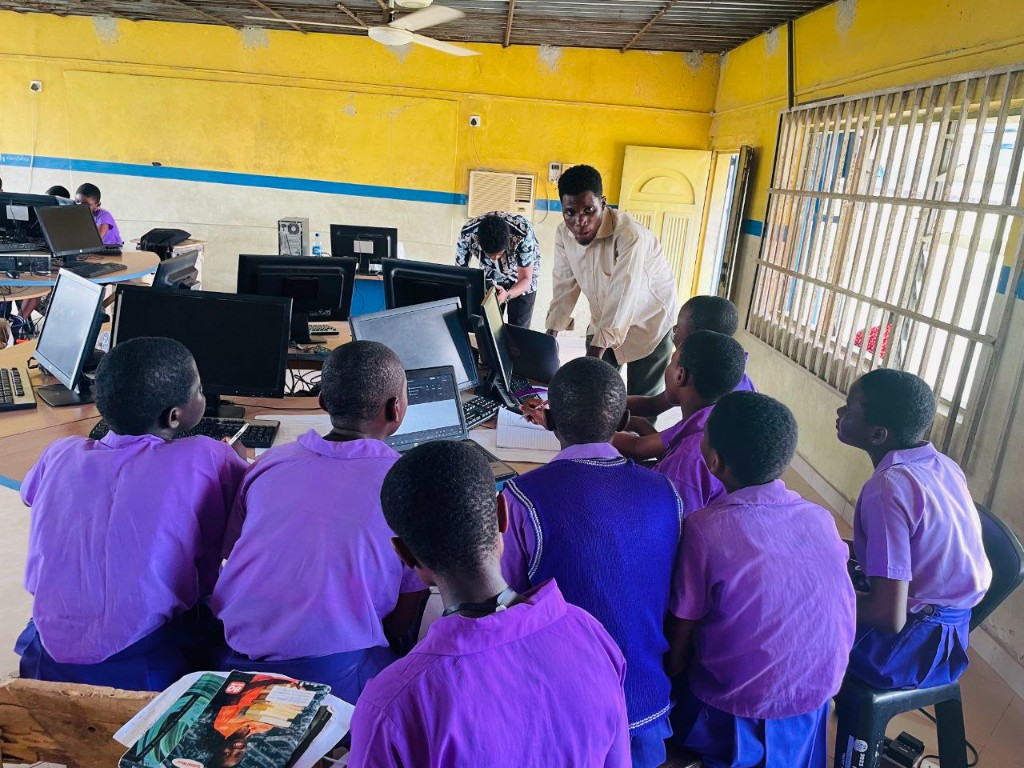
So we partnered with FOSPI, the Foundation for Social Programmes Initiative, and Women Graduates-USA to change that. When we started, most of the girls wondered what exactly Figma was and how it works. Today, they design complete screens with proper layout, hierarchy, color, and components.
They learned every core skill a beginner designer needs: creating frames, working with typography, grouping elements, building real buttons that respond in prototypes. They designed login pages from scratch and used desktop frames to think the way product teams do. They built low-fidelity and high-fidelity wireframes, turned them into clickable prototypes that behave like real apps, and explored how AI can speed up UI decisions.
"I never knew I could make something that looks like the apps I see on smartphones."
Student, girls UI/UX design cohort
That shift matters, because it shows what happens when someone finally gets access to the tools. The results were solid: every girl completed the tasks, and their accuracy and confidence increased week after week. They are all eager to design world-class pages and help users have a clear, stress-free experience.
Kudos to our tutors who simplified UI/UX design week after week. We are blessed to have you on the team.
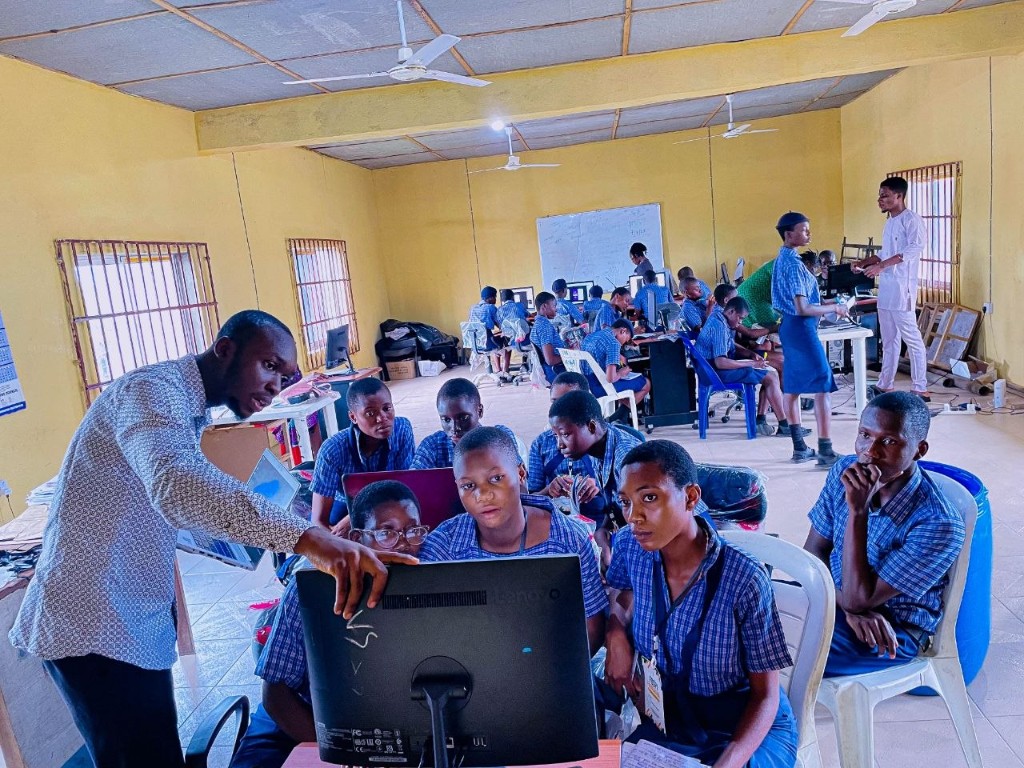
Mau Creative Hub trains people to be job ready: real tools, real processes, real industry standards. Every outreach, cohort, and partnership on this page moves that mission forward, and supports SDG 4, 5, 8, 10, and 17 in practice, not just on paper.